
— BACKSTAGE
How We Make
Fragrance
This is the process behind every NewNiche edition. The specific story of Edition #01 — Before the World Moved Again — and the system we follow for every fragrance we publish.
No shortcuts. No focus groups. Just a perfumer with complete freedom, a community that thinks alongside them, and months of patience.
— Step 1
Capturing the Inspiration
The Perfumer's view of the world is our brief.
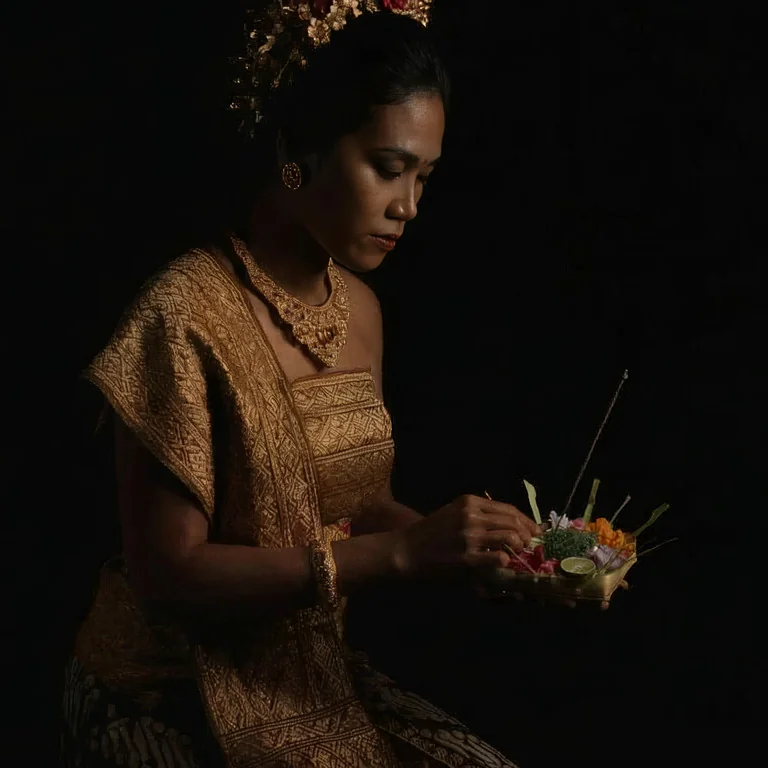
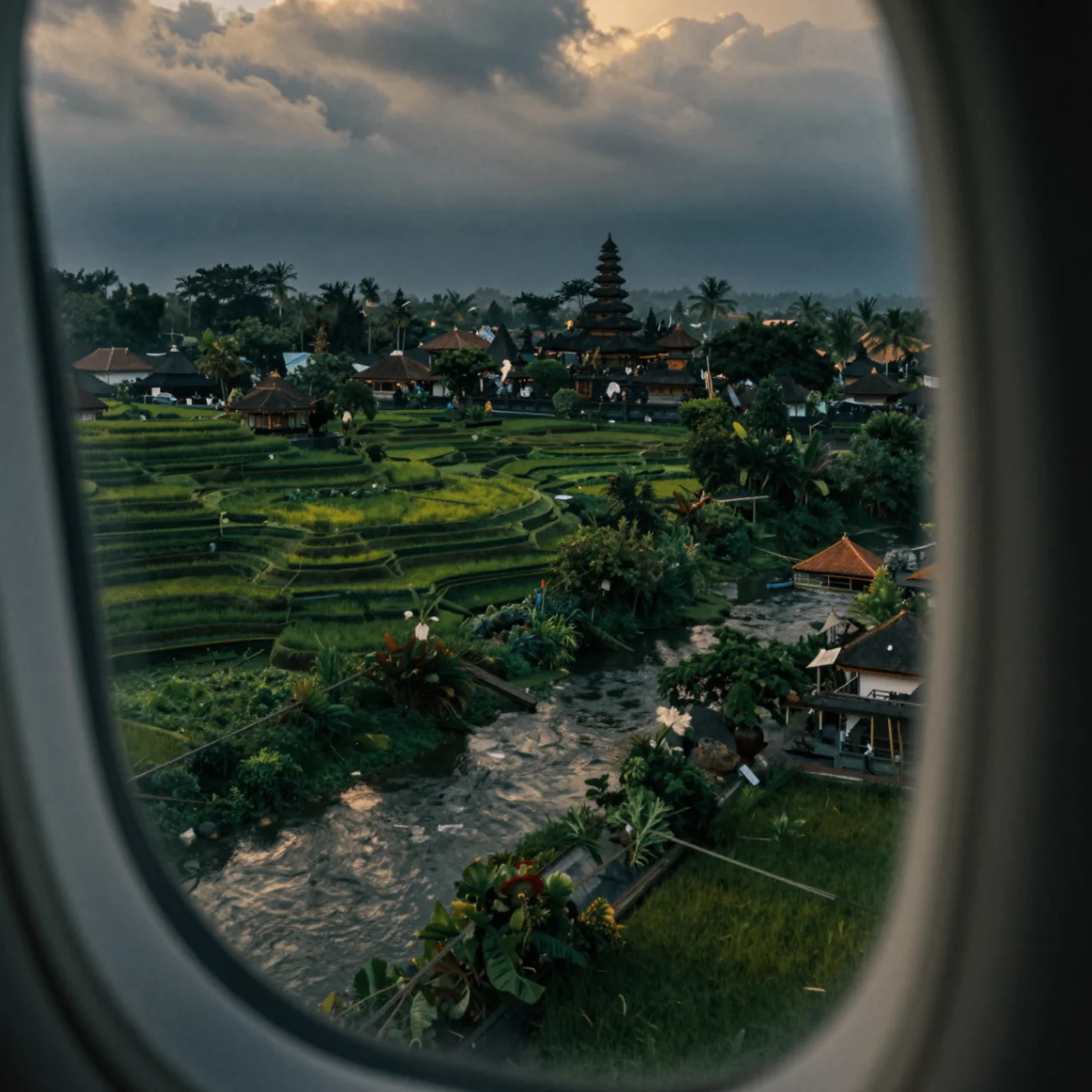
Every edition starts with a question, not a specification.
We reach out to a perfumer we trust and ask: what is your world? What moves you? What memory do you want to capture?
With Chester and Edition #01, we talked for hours. Not about market fit or bottle design. About memory. About an alleyway in Bali. About the moment before everything changes. About what matters to him as a creator, not as a manufacturer.
That conversation — the permission to be an author instead of a technician — is the seed everything grows from.
— Step 2
Kickoff Call
Community shares memories — Crete, Damascus, a grandmother's table.
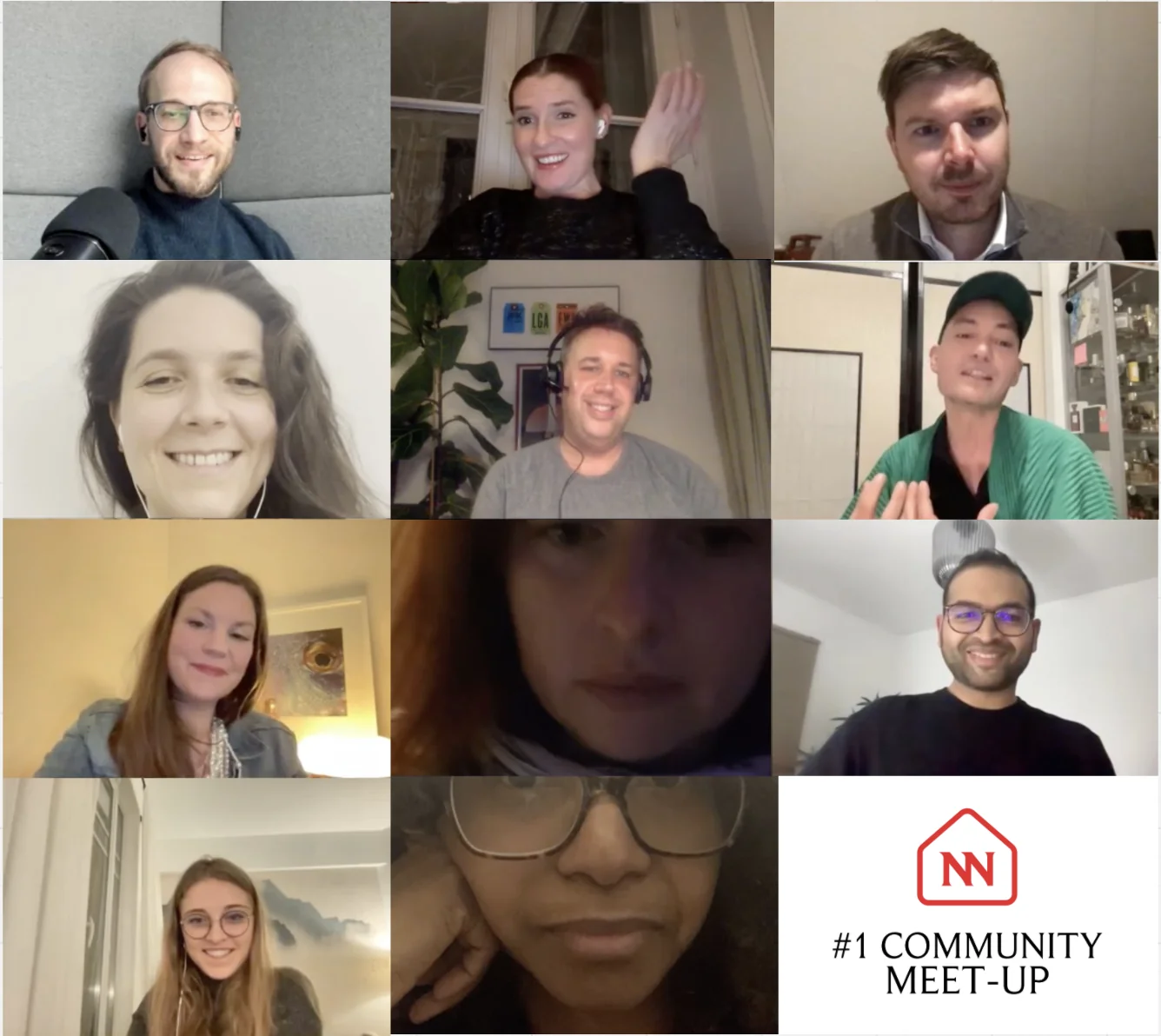
Once the perfumer has a direction, we gather the community.
Not as consumers. As collaborators.
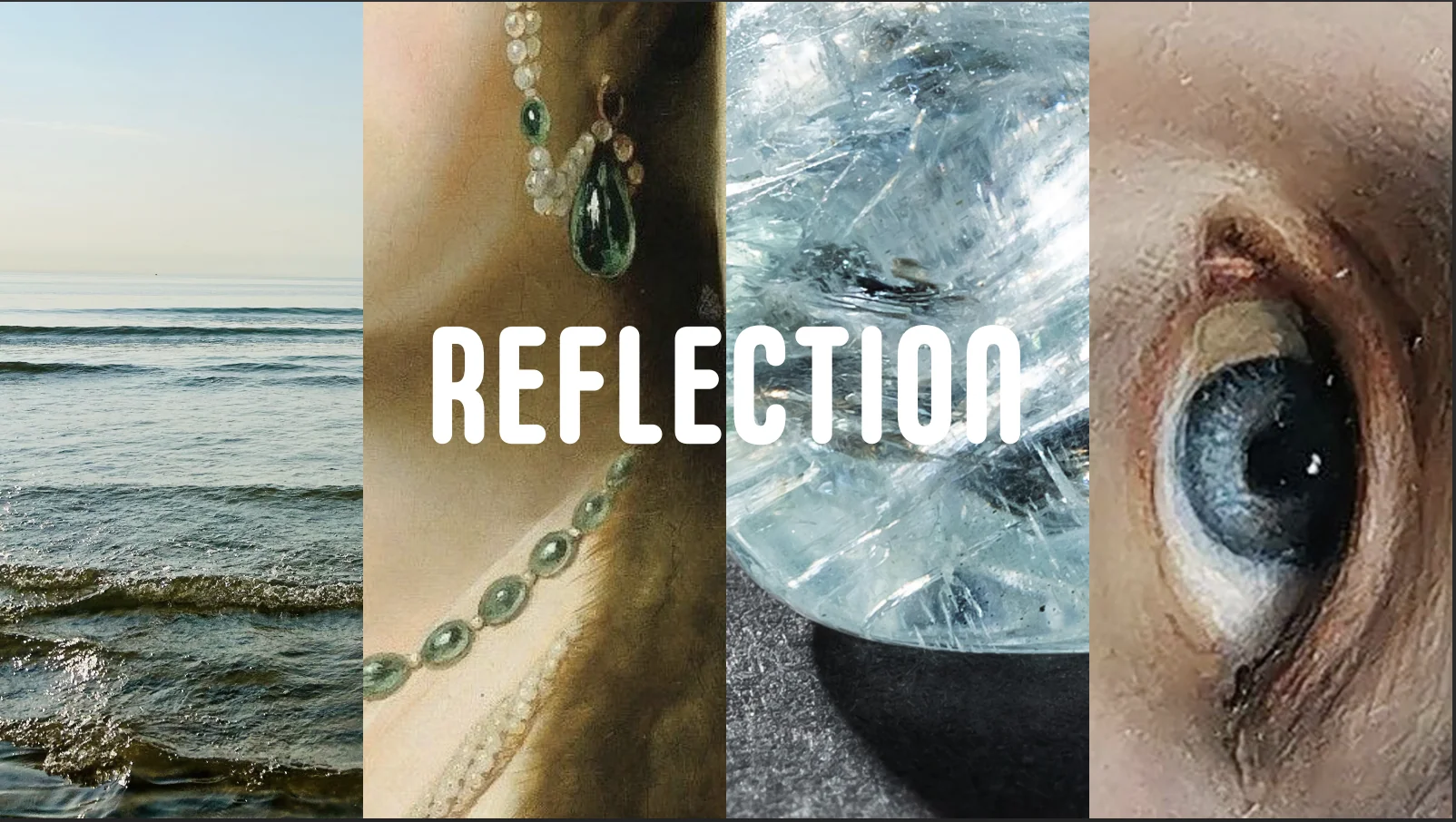
We ask: what does this story mean to you? Anna speaks about walking through eucalyptus forests in Portugal at sunset, where the air felt so clear she could almost "see her thoughts". Rahul describes reflection as introspection and stillness — incense, metallic notes, the feeling of walking alone in autumn. Tessa talks about forests, cypress, mineral earth and the calm that comes from stepping away from noise and into yourself.
The perfumer listens. Takes notes. Not all these stories will end up in the fragrance. But they become part of how he thinks. They shape the direction.
It's not democracy — he has complete creative authority. But it is dialogue.
— Step 3
WhatsApp Updates from the Lab
Raw process, messy notebooks, real time.
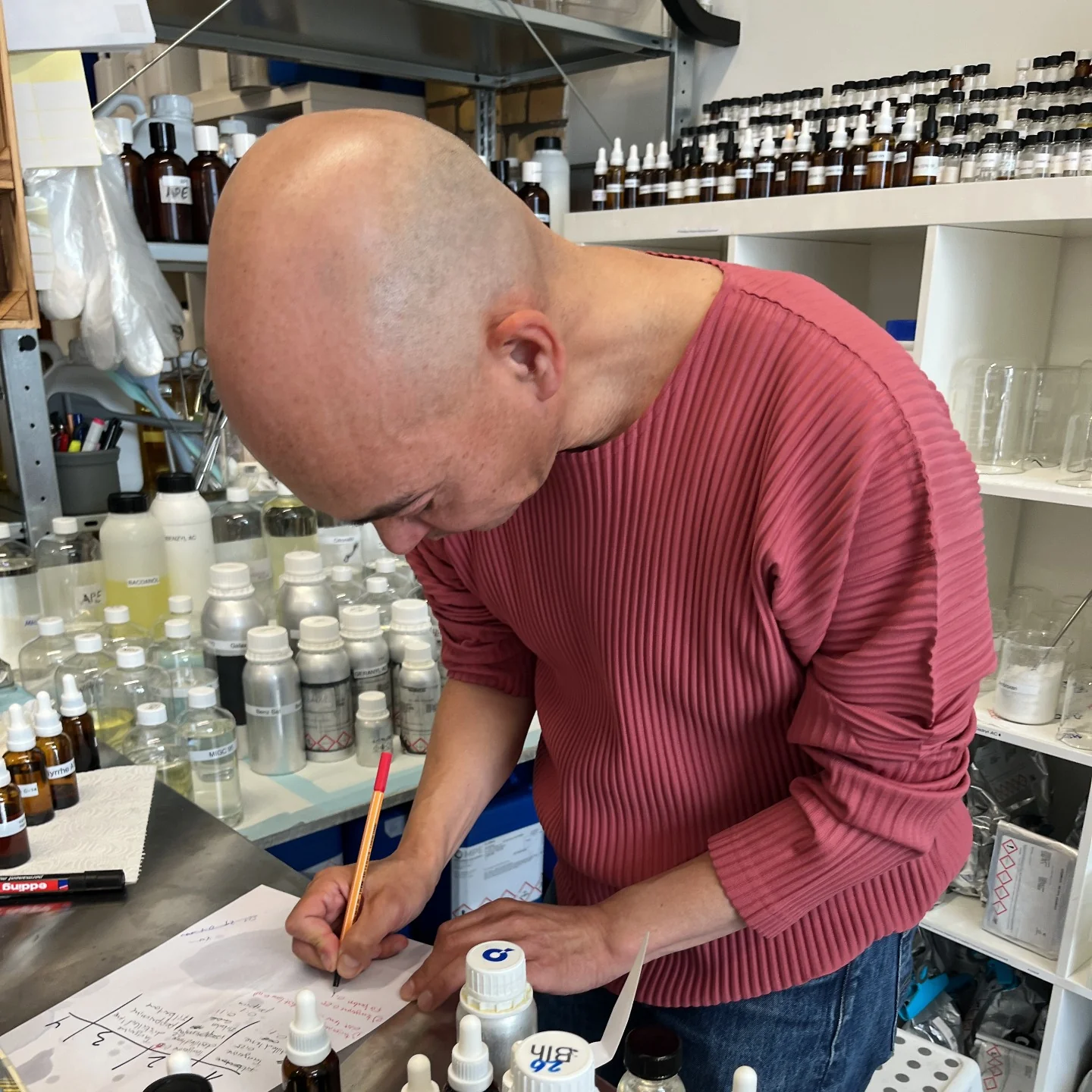
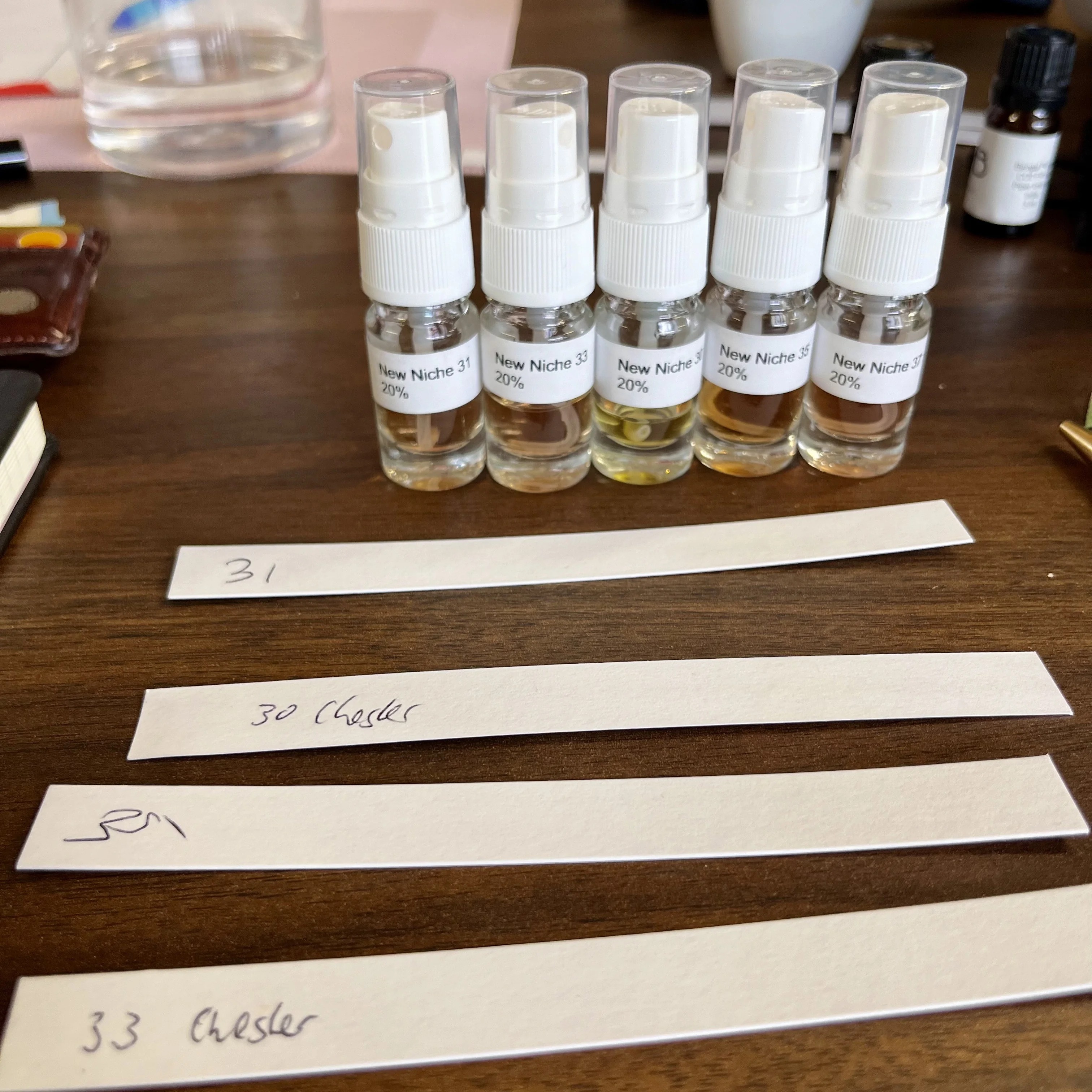
The perfumer doesn't disappear into silence.
He shares the work as it happens. Not polished updates — raw WhatsApp messages. A blotter photo at 3 PM: "Too much citrus, but the peppercorn sits right." A voice note at 11 PM: "Started over this afternoon. I think I was going the wrong direction." A notebook photo with crossed-out ratios and new calculations scribbled in.
This is craft in real time. The vulnerability of trying, failing, trying again. We see his hand. We see the uncertainty. And somehow, that makes the finished fragrance feel earned. We didn't just receive a product. We watched it become.
— Step 4
Evaluation Circle
A small group lives with the work and feeds back, throughout.
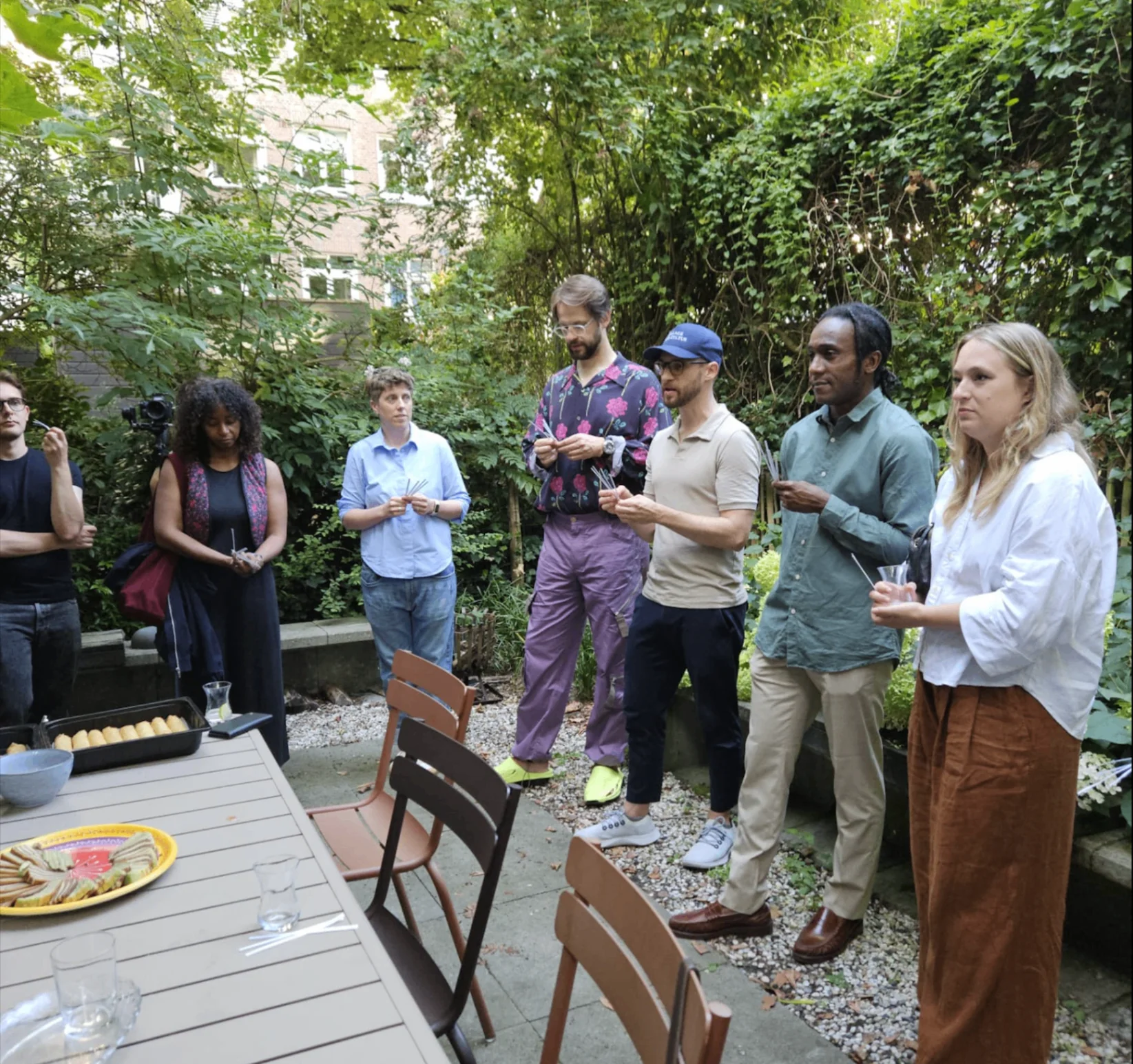
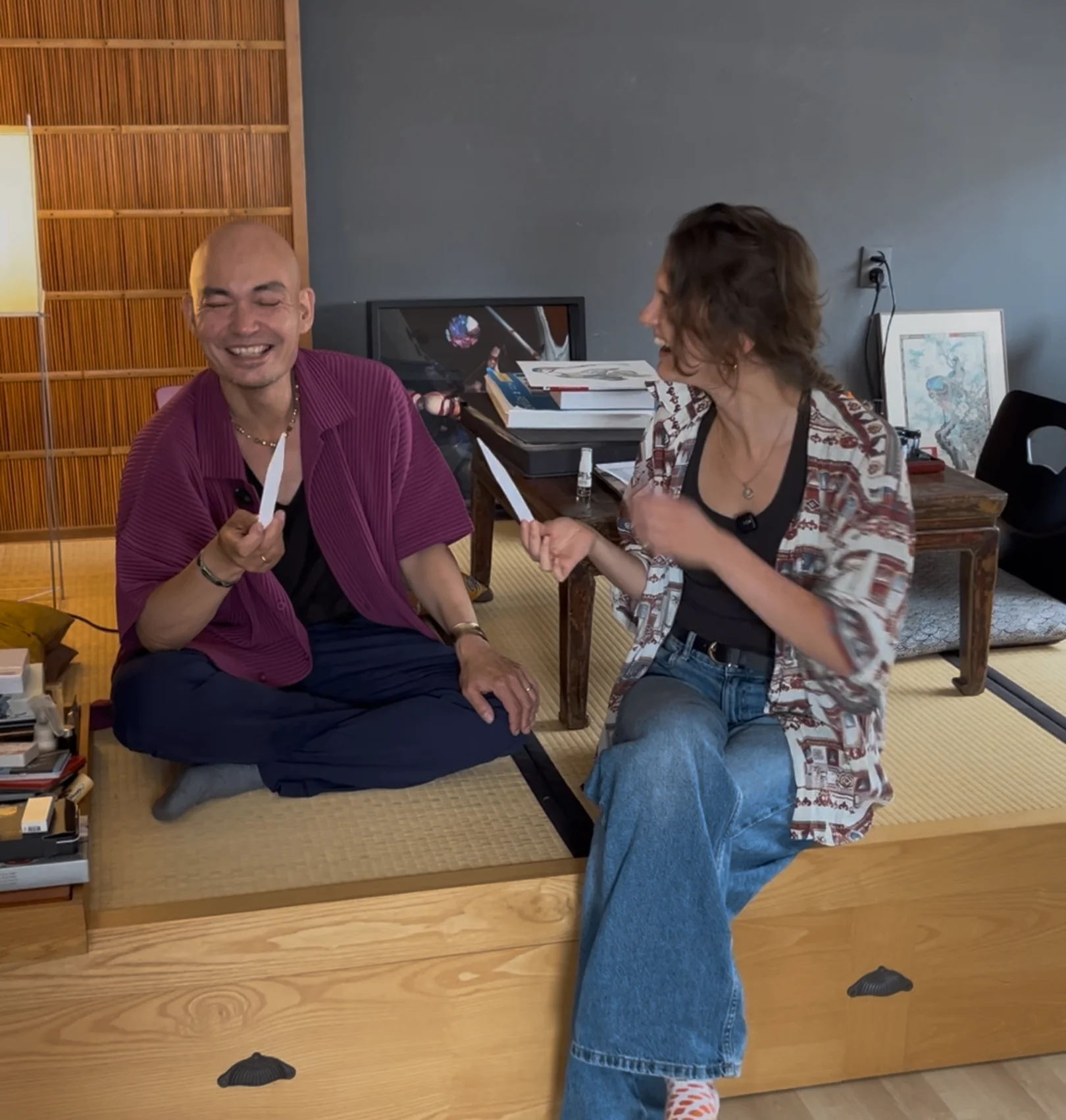
When the perfumer has narrowed down to a few directions, we form an Evaluation Circle. Five or six people from the community. Not influencers. Honest voices.
They receive blotters of each direction. They wear them for days. Live with them. Then they share specific feedback: "the heart feels rushed" or "this one brings back the memory we discussed" or "beautiful base, but the opening overpowers it."
The perfumer reads every word. Takes some feedback, ignores some. He'll explain his reasoning sometimes: "That rush you feel — that's intentional. It's the shock of arrival."
The Evaluation Circle doesn't decide the outcome. They sharpen it. We iterate. We ask again. We question.
Most told us this is too complicated. We believe it's the right thing to do to foster transparency and approachability in perfumery.
— Step 5
Going to the Roots of Inspiration
From Balinese ceremonies to Andalusian fields — wherever the story lives.
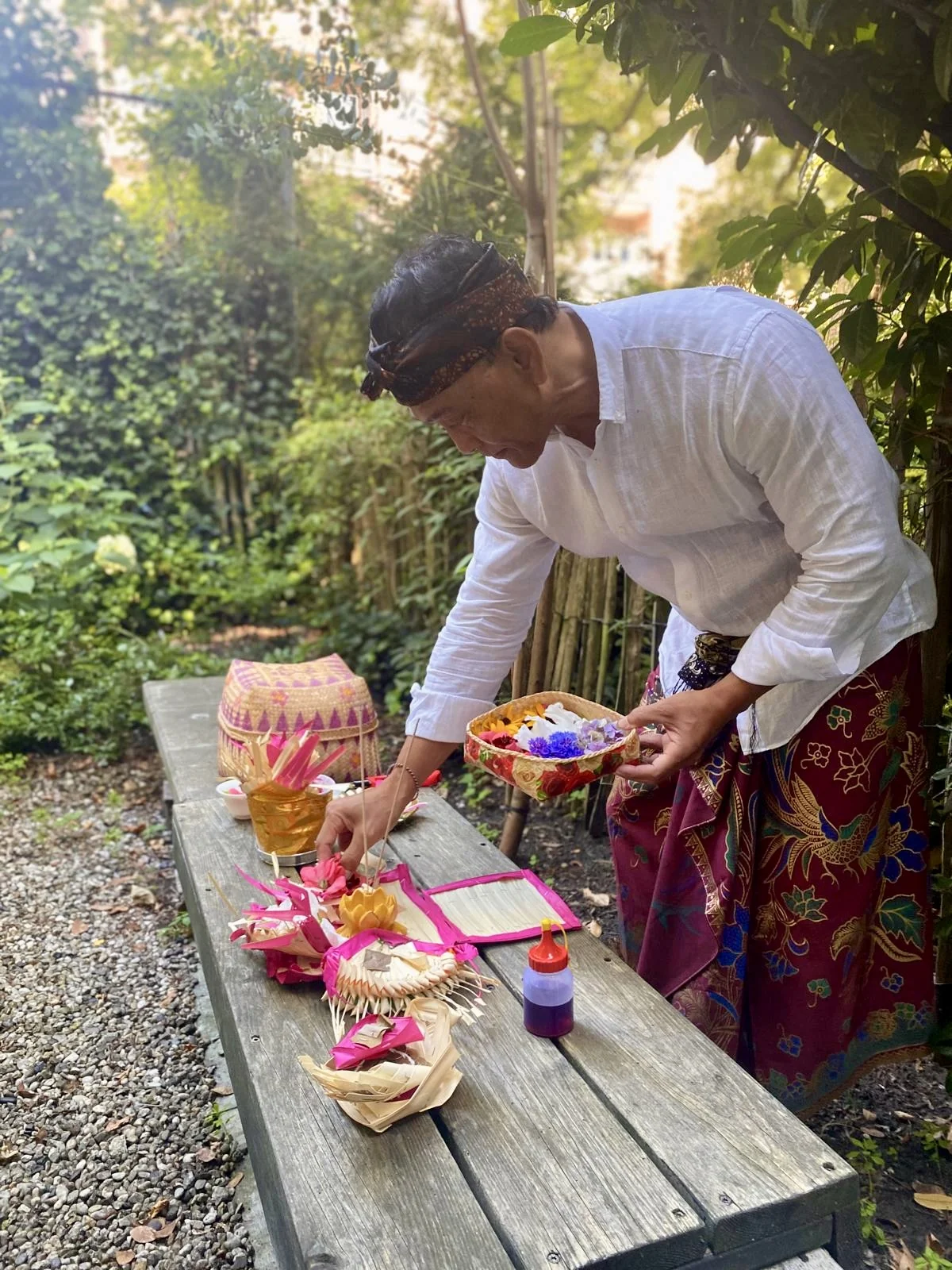
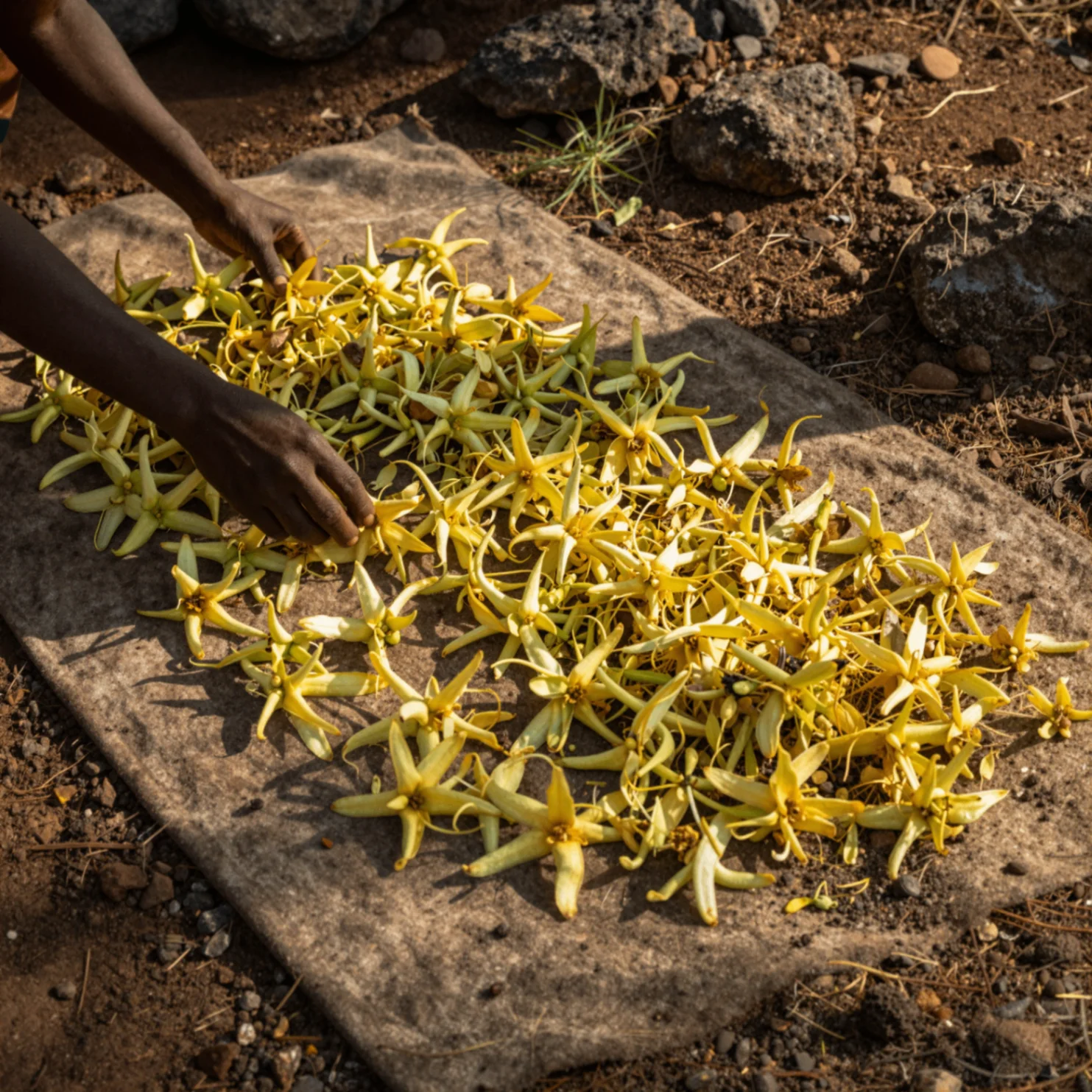
At some point during development, we travel.
For Chester's Before the World Moved Again, it began in Amsterdam. A Balinese Canang Sari ceremony. That moment of witnessing something sacred — flowers arranged with intention, incense, devotion — suspended him. It became the fragrance's centre.
So we brought the ceremony to our community. Thirty people gathered to witness a traditional offering while smelling Chester's fragrance for the first time. Not as consumers. As witnesses to the moment that created it.
But not every fragrance starts with a cultural moment. Some are rooted in a single material. A perfumer becomes obsessed with Labdanum harvested in Andalusia by hand across generations. With Ylang Ylang blooming on the Comoros Islands. With jasmine farmers in India who pick at night, when flowers release their fullest scent.
So we travel there too (hopefully in the near future!). The perfumer comes. Community members come. We eat together. We listen to stories about soil, weather, family knowledge passed down.
These journeys are expensive and inefficient. But something shifts when you stand in the field or in the ritual space and meet the person whose work becomes a single note in your fragrance. Jasmine isn't an ingredient. It's someone's livelihood. A Canang Sari isn't decoration. It's devotion.
The perfumer returns with deeper conviction. The community returns with ownership. This fragrance isn't something they're buying. It's something they helped create by witnessing its origins.
— Step 6
Opening Day
The finished fragrance arrives. First smell, together.
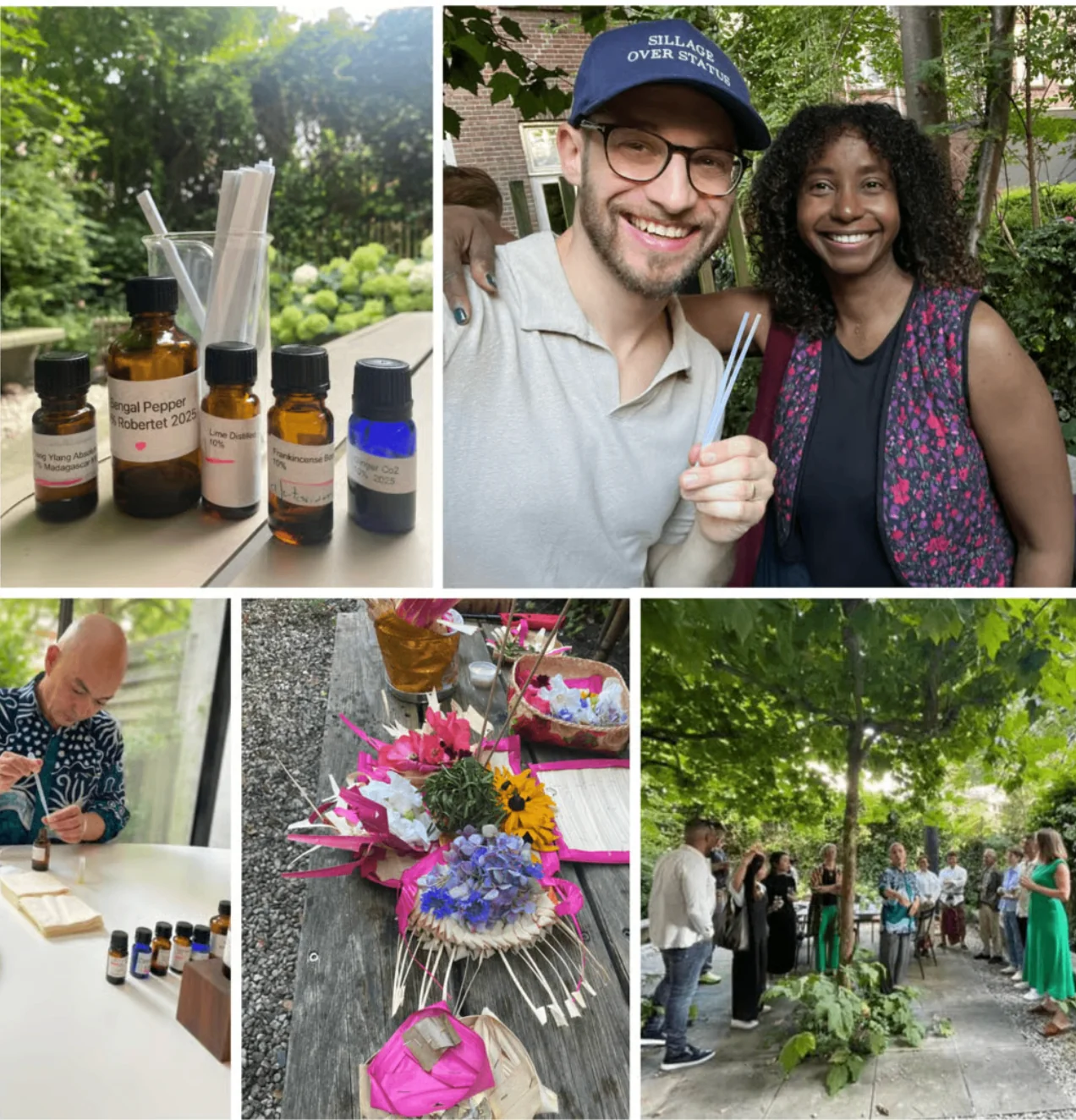
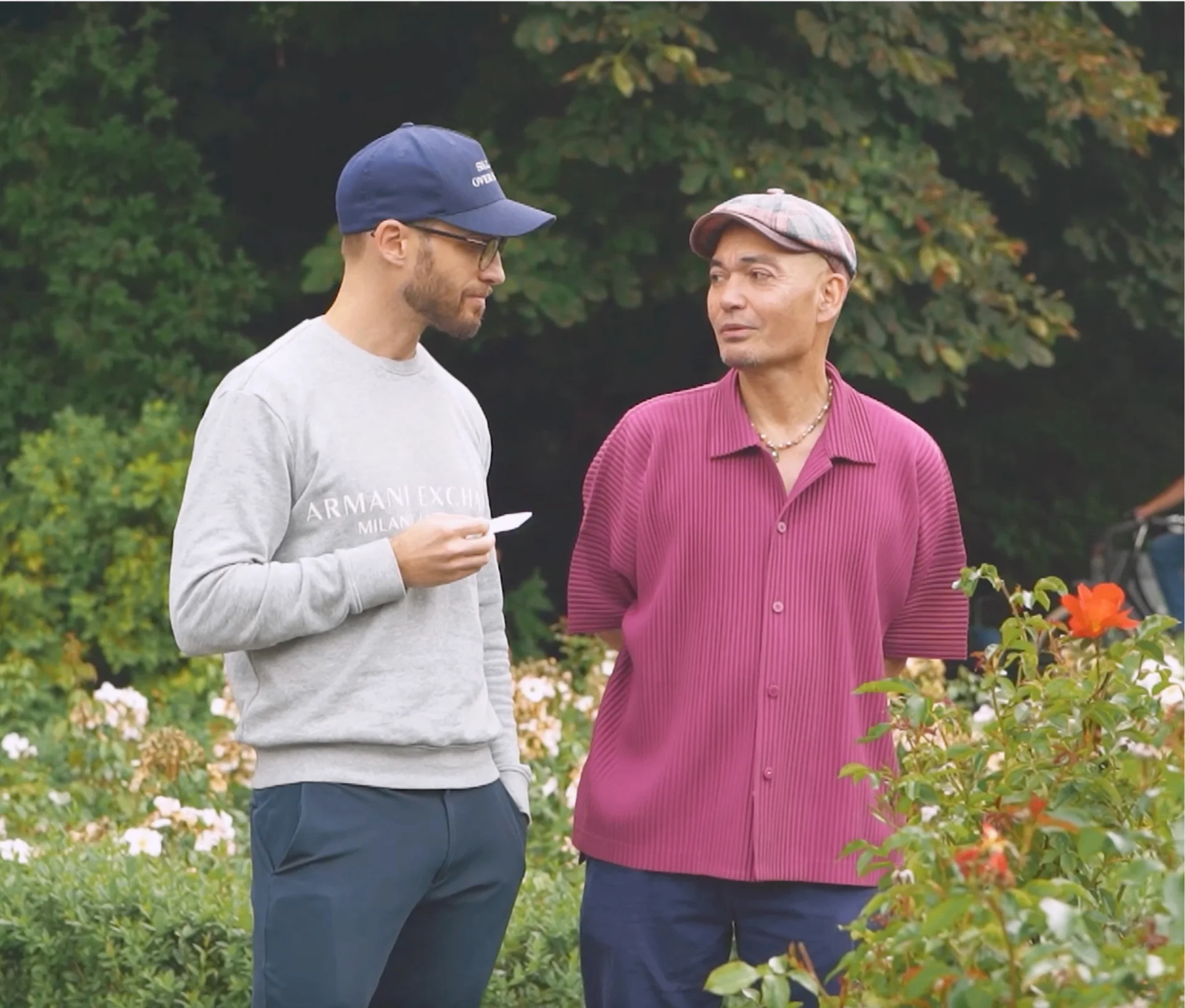
Months of conversation, kickoff, iteration, and journeys compress into one moment.
The fragrance is ready. The accords are set. The bottle is designed. The label artwork is complete.
We open a box together. Usually in person. Sometimes on a call where we all smell it at the same time.
The first smell is always a shock. Even after months of blotters and discussions, there's something about the finished fragrance — sealed in a bottle, full concentration — that lands differently.
We are quiet for a moment.
Then someone says, "Yes, this is it," and there's a collective exhale.
This is the answer to the original question: what would you make if you had complete freedom? Not the brief. Not the compromise. Not the focus-grouped middle ground. This. Chester's answer.
And somehow, we are all inside it.
This is how we make fragrance every time.
If you'd like to experience the result, it's waiting.